Breakdown: Why bees are disappearing & need our help
MEMPHIS, Tenn. (WMC) - In a previous Breakdown, we discussed why bees are important to the environment. But now let’s talk about the dangers they face and why they need our help.
Bees are disappearing.
They face many threats, from habitat loss to the use of toxic pesticides.
HABITAT LOSS
An increase in urban developments means that many of the areas bees once called home no longer exist. Wildflower meadows and other areas with abundant plants are in decline, meaning bees are losing an important food source.
Many of the threats to bees share parallels with the threats to trees and woodland, so saving bees goes hand-in-hand with saving trees.
AGRICULTURE PRACTICES
Another threat to our bees comes from agriculture practices and the use for toxic pesticides. While pesticides are designed to kill pests, due to their intense toxicity they are having an adverse effect on other insects too, including bees.
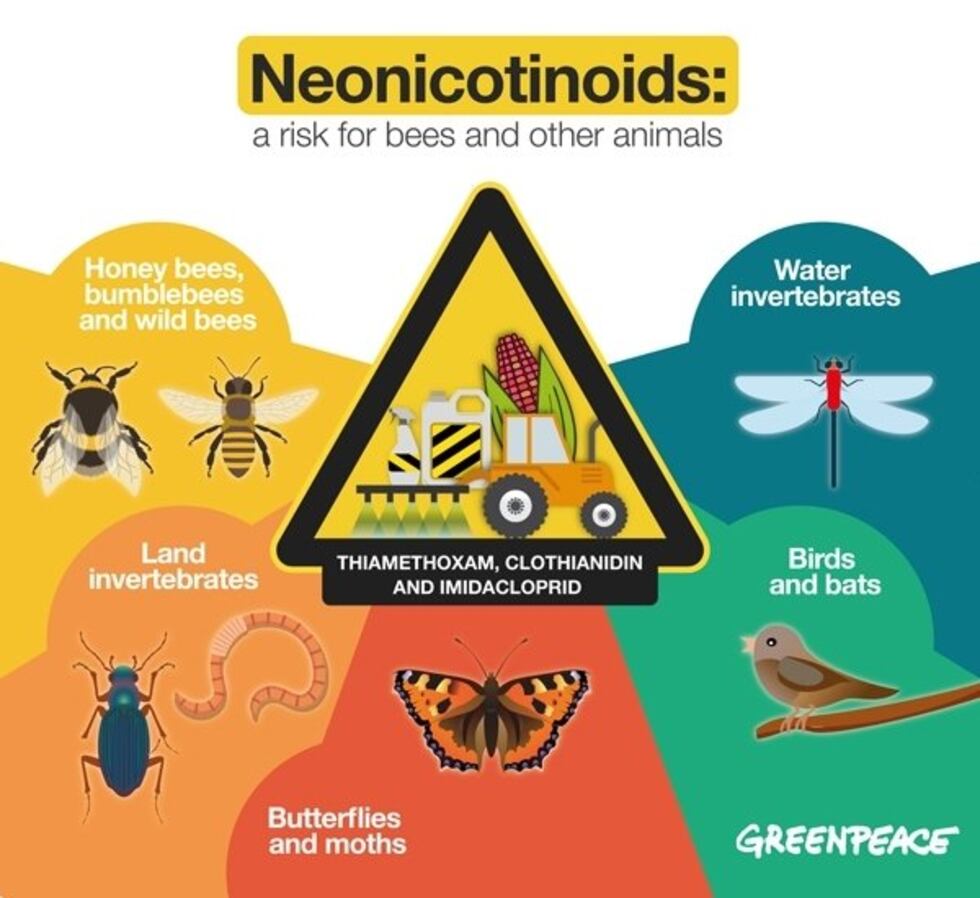
Neonicotinoids sprayed onto vegetation are absorbed by the plants, causing bees a great deal of harm because when a bee comes to pollinate that plant, it ends up ingesting this pesticide, seriously damage the bee’s central nervous system.
Neonicotinoids are not only a serious threat to honey bees, but also for a broad range of other animals, including bumble bees, butterflies, birds and even water insects.
CLIMATE CHANGE
Climate and weather are two different things. Climate changes causes more extreme weather events, which not only disrupts bees nesting behaviors, but it also alters the normal seasonal timings of flowers blooming later or earlier than expected.
PARASITES AND DISEASES
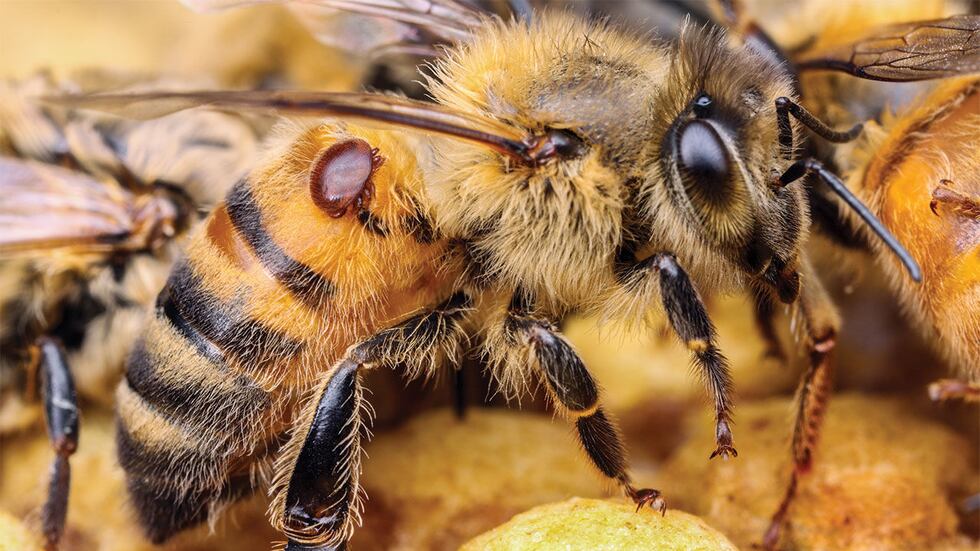
It is small and yet highly dangerous: the Varroa destructor mite is the most destructive enemy of the Western honey bee.
Varroa destructor literally means “destructive mite.”
These mites clings to the back of the honey bee, passing diseases and viruses to it and gradually draining bees of their strength.
Without human intervention, a bee colony infested with mites will typically die off within three years. In addition to the threat posed by the Varroa mite itself, there is also the danger of secondary infection from various mite-vectored diseases, which have also become more widespread and additionally weaken the bee colonies.
Combating the mite is a difficult task for researchers. This is because – despite a number of promising ideas – they have not yet managed to develop simple and long-lasting treatments for fighting the bee parasite, nor have they yet managed to breed a Varroa-resistant strain of the Western honey bee.
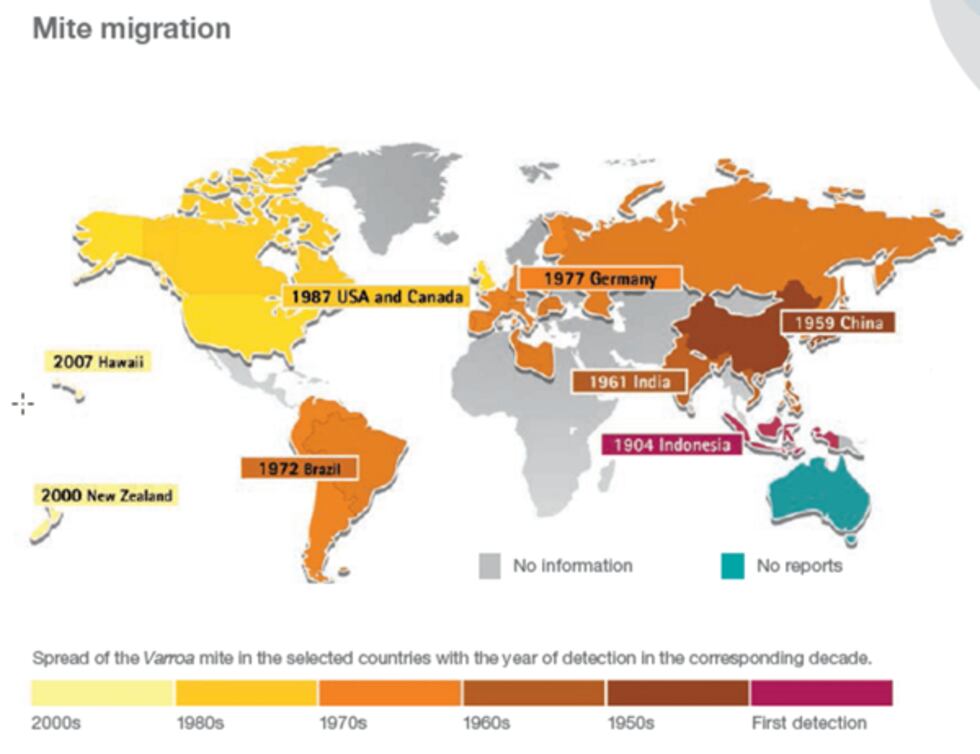
The parasite has now spread to almost all parts of the world – except for Australia – and is a serious threat to bee health.
INVASIVE SPECIES
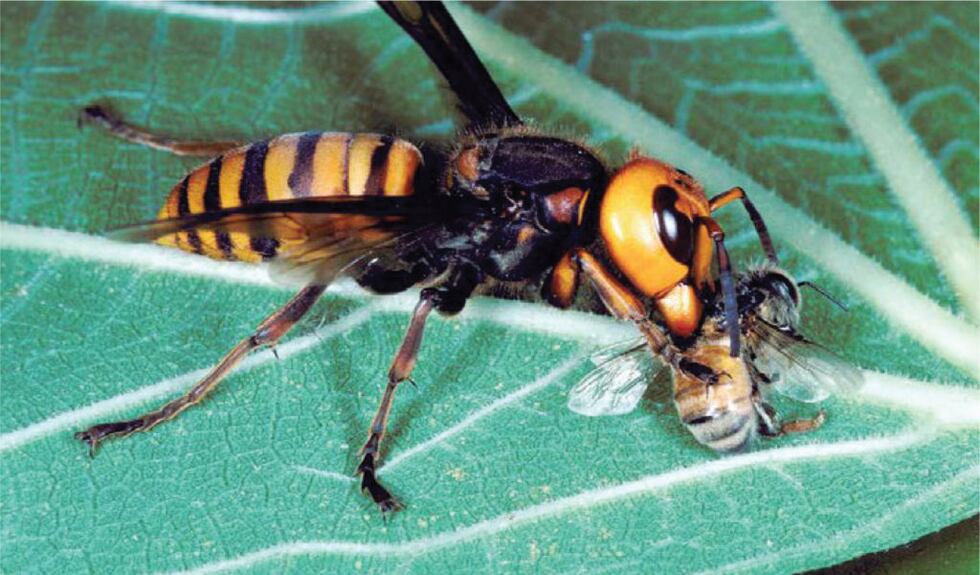
Other insects also pose a huge threat to bees. In particular, the Asian hornet, a species not native to the United States, are the world’s largest hornet and a predator of honey bees and other insects. A small group of Asian giant hornets can kill an entire honey bee hive in a matter of hours.
The hornets then occupy the hive, kill the developing larvae and take this protein-rich meal to their nest.
In addition to the threat to bees and beekeepers, this large venomous insect (1.5 to 2 inches in length—or the size of your thumb) can deliver a powerful sting. Its venom is no more toxic than that of other stinging insects, but in Japan, this hornet kills 30 to 50 people a year.
What to do if you think you have spotted the Asian giant hornet:
- If possible, safely take a photo and send it to the Department of Entomology through the Online Insect Identification Form.
- If you find a dead specimen that has a bright yellow head and is over 1.5 inches long, collect it and ship it to the Department of Entomology following instructions on the Form for Collecting and Shipping Specimens for Identification.
WHAT HAPPENS IF BEES DISAPPEAR?
If these threats aren’t brought under control, we could be looking at a future without bees.
If bees vanish, the effects will be catastrophic. Make no mistake, the end of the bees means the end of us. A 2019 study on the decline of entomofauna indicates that the loss of insects would collapse the Earth’s ecosystems. Plants would no longer be pollinated and this includes many of the fruits, vegetables, nuts, and grains that we rely on to feed our ever-increasing population.
HOW TO HELP BEES
There are lots of things you can do to help protect these important creatures - most of which can be done from the comfort of your own garden.
- Fill your garden with bee-friendly flowers
- Provide shelter for bees. Like most invertebrates, bees need shelter to nest and hibernate in. You can create your own shelter or buy a ready-made bee hotel – just hang it up in a sunny sheltered spot in your garden and watch bees filling the tubes during the spring and summer months.
- Go chemical-free for bees. Avoid treating your garden and green spaces with synthetics. Instead, use organic products and natural solutions such compost to aid soil health and adding beneficial insects that keep pests away like ladybugs and praying mantises.
Here are a few other easy ways you can help #BeeTheSolution.
SAVE THE DATE!
Since 2009, Americans have celebrated National Honey Bee Day on the third Saturday in August. Let’s take this opportunity to celebrate honey bees this August 21 and recognize their contribution to our everyday lives as a means of protecting this critical species for future generations.
Read on to discover everything you need to know about this day, as well as the critical role that honey bees play in our everyday lives.
Copyright 2021 WMC. All rights reserved.